
Resource Hub
Market Insights
& Property Guides.
Practical, current guidance on buying, renting and selling in Dubai — written by RP Dubai's advisory team.
Practical, current guidance on buying, renting and selling in Dubai — written by RP Dubai's advisory team.

What overseas and first-time buyers should understand before making an offer — from due diligence to the transfer process.
Buying property in Dubai as a non-resident is more straightforward than in many markets — foreign nationals can hold full freehold ownership in designated areas — but the process still rewards preparation.
Start with your budget in AED, not just the property price. Factor in the Dubai Land Department transfer fee, any agency fee, and mortgage arrangement costs if you're financing the purchase. Ask your advisor for a full cost breakdown before you commit to a property.
For ready properties, a No Objection Certificate from the developer is typically required before transfer, confirming there are no outstanding service charges. For off-plan purchases, review the payment plan carefully against the construction milestones it's tied to, not just the total price.
Finally, always verify a property's title and any existing mortgages through the Dubai Land Department before signing a Memorandum of Understanding. A good advisor will handle this verification as a standard part of the transaction, not an optional extra.
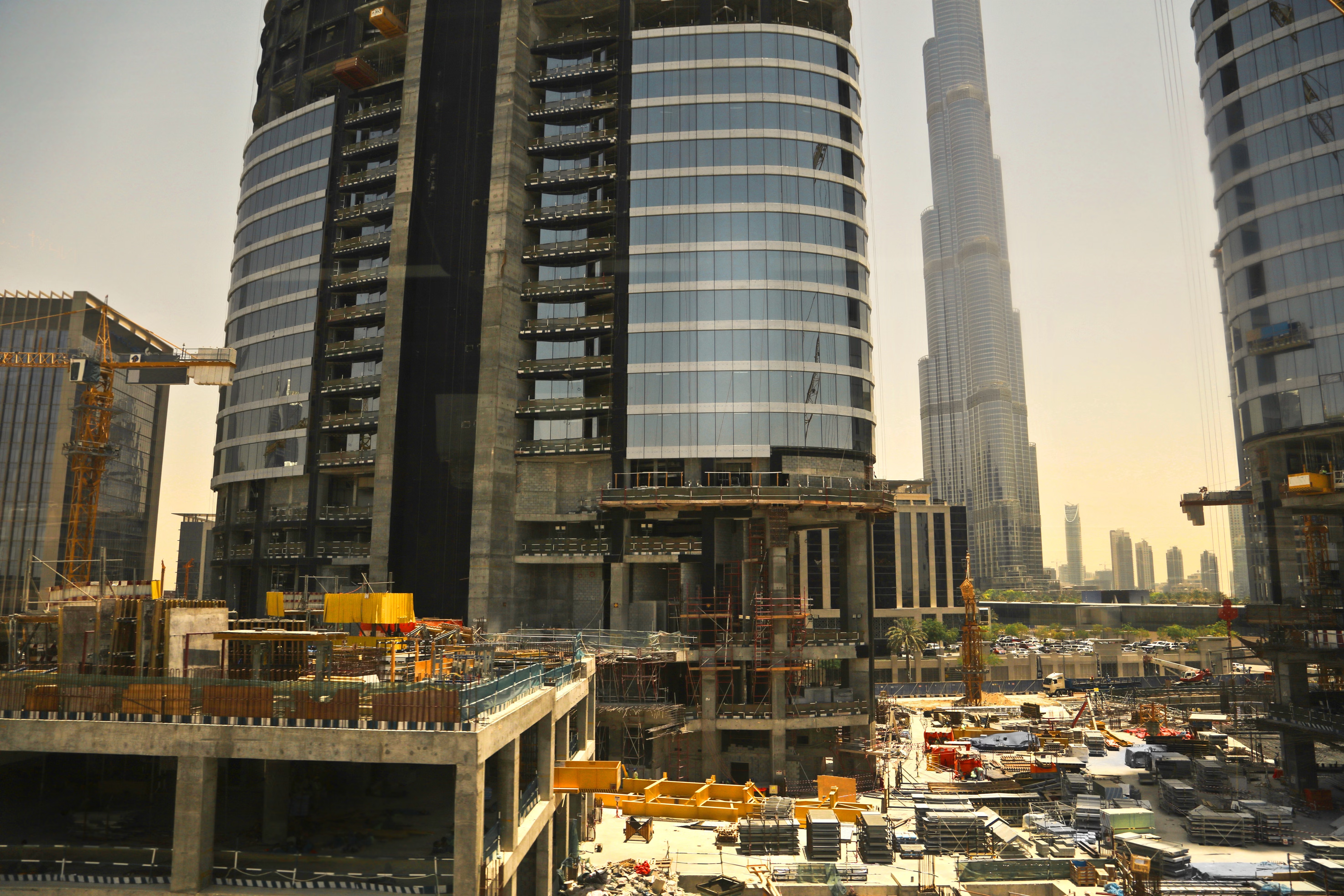
Payment plans, handover risk and rental timing — how to decide which route fits your goals.
Off-plan and ready properties serve different goals, and the right choice depends on your timeline and risk appetite rather than one being objectively better.
Off-plan purchases typically offer more flexible, staged payment plans and a lower entry price relative to comparable ready stock — but you're buying against a construction timeline, and handover dates can shift. Review the developer's delivery track record on previous projects, not just their marketing for the current one.
Ready property gives you a physical asset you can inspect, immediate rental income potential, and no construction risk — but usually requires a larger upfront payment and, on the secondary market, room to negotiate can be narrower.
If rental yield is your priority, model both scenarios against a realistic handover date and current rents in the community, not the developer's projected rent at launch.
How the Ejari registration process works, what to check in a tenancy contract, and questions worth asking before you sign.
Every tenancy in Dubai should be registered through Ejari, the official rental contract registration system — this protects both tenant and landlord and is typically required for utility connections and visa-related paperwork.
Before signing, confirm what's included in the quoted rent — some buildings bundle chiller/cooling charges into service charges, others bill separately, and this can materially change your real monthly cost. Ask specifically.
Cheque structure matters too: rents are commonly paid in one to four post-dated cheques per year, and the number of cheques can sometimes be negotiated, particularly for longer leases or repeat tenants.
Read the renewal and notice-period clauses closely. Standard practice requires advance written notice — often 90 days — if either party doesn't intend to renew, so mark that date as soon as you sign.
Rent increases, notice periods and how to handle a renewal conversation on good terms.
Rent increases on renewal in Dubai are tied to a rental index that compares your current rent to the average market rent for similar units in the same area — a landlord generally cannot increase rent freely without reference to this benchmark.
If you receive a renewal notice with an increase you believe is out of step with the market, ask your advisor to pull comparable listings before you respond — this is usually a faster path to a fair outcome than a dispute.
For landlords, giving tenants clarity early — ideally at the 90-day notice mark — leads to smoother renewals and lower vacancy risk than last-minute notices.
Whatever is agreed, get it in writing and update your Ejari registration to reflect the renewed terms.

The documents, disclosures and presentation details that shape how quickly — and how well — a property sells.
Pricing accurately from day one matters more than most sellers expect — an overpriced listing tends to sit, then eventually sells below where it would have if priced correctly at launch. Ask for a valuation grounded in recent comparable transactions, not just asking prices of similar listings.
Have your paperwork ready before you list: title deed, passport copy, and if there's an existing mortgage, a liability letter from your bank confirming the outstanding balance. This avoids delays once you have a serious buyer.
If your service charges are current, say so upfront — buyers and their advisors will ask, and a clean payment history removes friction later in the transaction.
Presentation still counts, even in a fast market: decluttered, well-lit photography consistently outperforms rushed phone photos in generating serious enquiries.

What actually happens between signing and holding your title deed, step by step.
Once a buyer and seller agree terms, the standard path runs through a Memorandum of Understanding, a No Objection Certificate from the developer confirming no outstanding service charges, and finally transfer of title at the Dubai Land Department.
For mortgaged properties, the seller's bank must issue a liability letter and the existing mortgage is typically settled — sometimes using the buyer's deposit — before the property can transfer with a clean title.
The Dubai Land Department charges a transfer fee on the transaction, payable at the time of transfer; your advisor should confirm the current fee and who is responsible for it before you sign the MOU, since this is sometimes negotiated between parties.
Once transfer completes, the buyer receives a new title deed in their name — the single document that confirms legal ownership.
Our advisors are happy to walk you through anything specific to your situation.